BY Spencer Cresswell
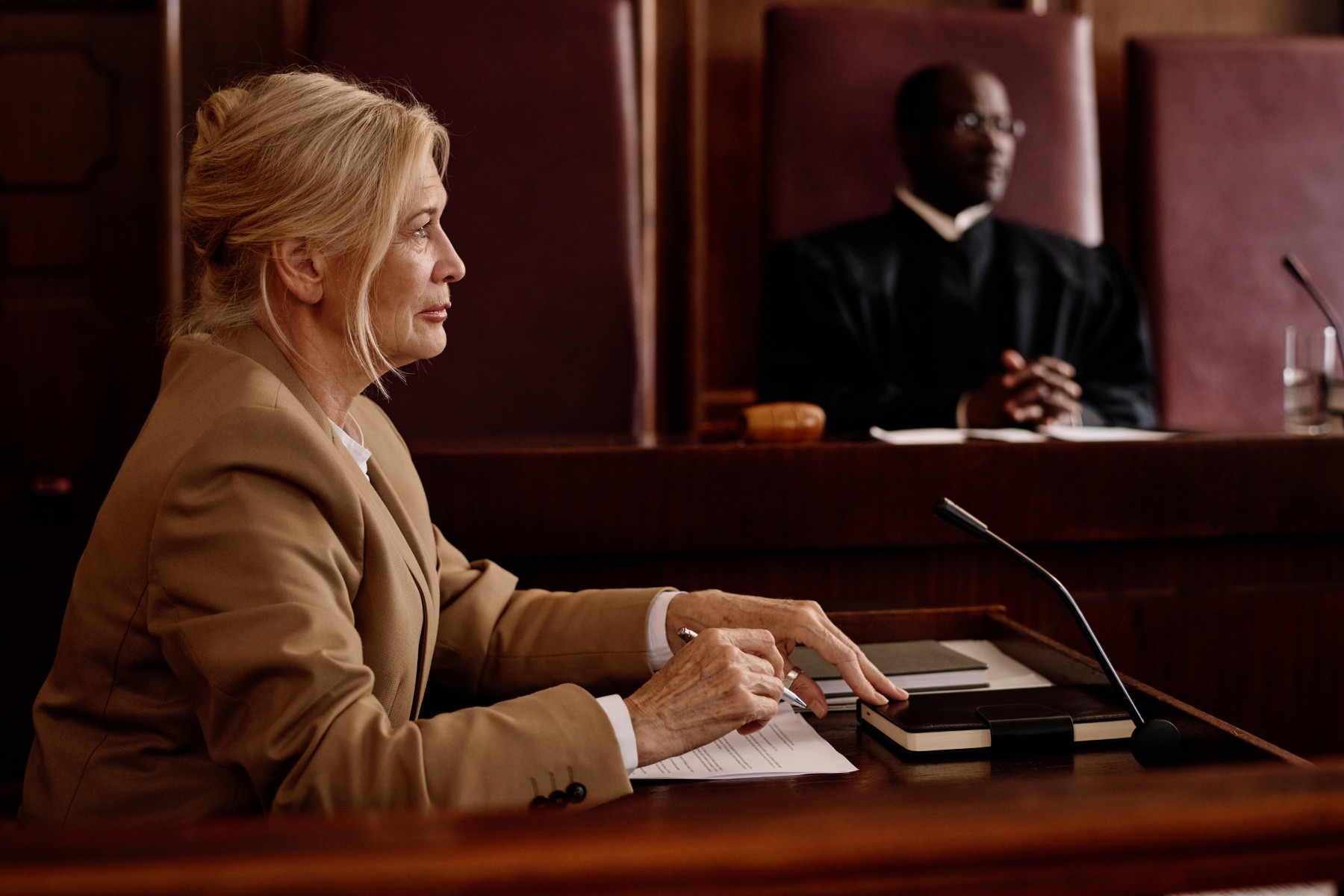
In the intricate landscape of litigation, expert witnesses serve as pivotal players, their testimonies often swaying outcomes. However, the credibility of plaintiff experts can occasionally be compromised by biases, intentional or otherwise. Legal professionals must adeptly identify and discredit such biases to safeguard the integrity of their cases. This article delves into the methodologies for spotting and challenging biased plaintiff experts, enhancing the strategic acumen of attorneys in trial preparation.
Bias in expert testimony can manifest in various forms, often subtly influencing the expert’s conclusions or recommendations. Such biases may arise from financial incentives, personal beliefs, or professional alignments. Understanding these biases is crucial for attorneys aiming to protect their case from skewed expert opinions.
Identifying bias requires a meticulous analysis of the expert’s background, methodologies, and the consistency of their opinions.
The legal system provides frameworks, such as the Daubert standard and Federal Rules of Evidence 702, to challenge biased experts. Attorneys must leverage these frameworks effectively to exclude unreliable testimonies.
Under the Daubert standard, courts evaluate expert testimony based on several factors, including:
Rule 702 emphasizes that an expert’s testimony must be based on sufficient facts or data and must be the product of reliable principles and methods that are applied reliably to the facts of the case, as well as assisting the trier of fact. Attorneys must adeptly argue these points to discredit biased testimony.
Cross-examination serves as a powerful tool in revealing biases. Effective cross-examination requires not only identifying inconsistencies and financial motives but also understanding the scientific basis of the testimony, the context of the expert’s opinions, and the overall credibility of the expert.
Anticipating and preparing for admissibility challenges is crucial in ensuring that biased expert testimony does not influence the court’s decision.
In the realm of litigation, the ability to effectively spot and discredit biased plaintiff experts is an invaluable skill for attorneys. Through a combination of investigative diligence, strategic questioning, and adept use of legal standards, attorneys can safeguard their cases from the influence of compromised expert testimonies. As the legal environment continues to evolve, staying abreast of these strategies and frameworks is essential in maintaining a robust litigation strategy. By doing so, attorneys not only enhance their case outcomes but also uphold the integrity of the judicial process.
Spencer serves as Vice President of Account Management, where he leads ExpertConnect Litigation Support’s Business Development activities. Spencer especially enjoys helping clients find highly specific and specialized experts in patent litigation matters. Prior to joining ExpertConnect, Spencer worked in international government relations focusing primarily on the defense and homeland security industries.