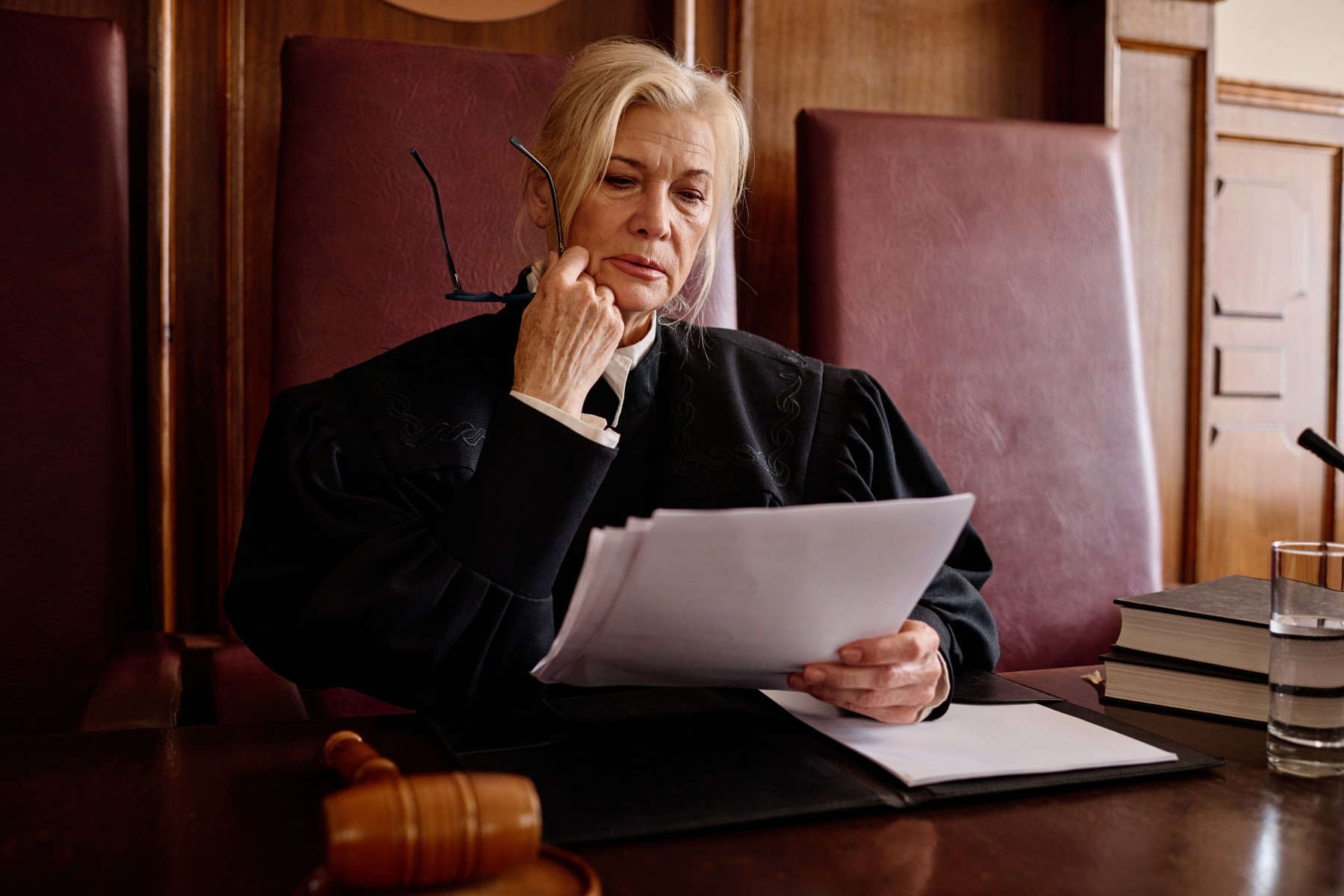
In the nuanced arena of complex civil litigation, the selection of an expert witness often hinges on their qualifications and perceived credibility. However, a nuanced but critical consideration is the risk of overqualification. This subtlety can inadvertently undermine jury persuasion, affecting the outcome of the case. The challenge lies in aligning an expert’s credentials and presentation with the jury’s expectations and comprehension.
The Pitfalls of Overqualification
An expert witness with extensive qualifications might seem like an asset at first glance. However, overqualification can lead to several issues:
- Intimidation and Disconnect: An expert whose qualifications far exceed the jury’s understanding can be intimidating. Jurors may feel alienated or assume the expert’s testimony is inaccessible, leading them to disengage.
- Perceived Arrogance: Overqualified experts may inadvertently come across as arrogant or condescending. This perception can erode their credibility and the persuasive impact of their testimony.
- Complexity Overload: Highly technical testimony, while accurate, can overwhelm jurors, who may struggle to grasp the nuances. This confusion can diminish the effectiveness of the testimony.
Evaluating the Expert’s Fit for the Jury
When assessing an expert’s suitability, consider how their credentials and communication style align with the jury’s profile:
- Relevance Over Volume: Focus on the relevance of the expert’s qualifications to the specific issues of the case. Jurors are more likely to be persuaded by credentials that directly relate to the matter at hand.
- Jury Demographics: Understand the demographic and educational background of the jury pool. Selecting an expert whose presentation style resonates with the jury can enhance comprehension and engagement.
- Communication Style: The ability of an expert to convey complex information in a clear and relatable manner is critical. This skill can bridge the gap between expertise and jury understanding.
Balancing Expertise with Approachability
An expert’s role is not only to inform but also to persuade. Therefore, balancing their expertise with approachability is crucial:
- Simplification of Complex Concepts: Encourage experts to distill complex ideas into simpler terms without sacrificing accuracy. This approach helps in making their testimony more accessible.
- Engagement Techniques: Experts should employ techniques to maintain juror interest, such as using analogies or relatable examples. This strategy can make technical testimony more memorable.
- Active Listening: An expert who listens and responds thoughtfully to cross-examination demonstrates respect for the process and the jury, enhancing their credibility.
Strategically Selecting Experts for Jury Persuasion
The strategic selection of an expert witness involves a multifaceted approach:
- Case-Specific Expertise: Prioritize experts whose qualifications and experience are directly relevant to the case issues. This relevance enhances credibility and persuasiveness.
- Previous Testimony Experience: Review an expert’s history of testifying in similar cases. Experience in a courtroom setting often correlates with improved communication skills and jury rapport.
- Reputation and Demeanor: Consider the expert’s professional reputation and demeanor. An expert known for their integrity and professionalism can bolster the case’s credibility.
Preparing the Expert for Testimony
Proper preparation of the expert witness is essential to avoid the pitfalls of overqualification:
- Mock Trials and Feedback: Conduct mock trials to simulate courtroom conditions. Feedback from these sessions can help refine the expert’s testimony delivery.
- Focus on Key Issues: Guide the expert to focus on the most critical issues of the case, avoiding extraneous information that might confuse the jury.
- Adaptability: Encourage the expert to be adaptable, ready to clarify or rephrase testimony in response to jury reactions or opposing counsel’s questions.
Conclusion
The delicate balance between expertise and jury persuasion underscores the complexity of selecting the right expert witness. By consciously avoiding overqualification and focusing on effective communication, litigators can ensure that expert testimony not only informs but also persuades. This strategic alignment can significantly influence jury perceptions and, ultimately, the outcome of the litigation.
ABOUT THE AUTHOR

Spencer serves as Vice President of Account Management, where he leads ExpertConnect Litigation Support’s Business Development activities. Spencer especially enjoys helping clients find highly specific and specialized experts in patent litigation matters. Prior to joining ExpertConnect, Spencer worked in international government relations focusing primarily on the defense and homeland security industries.