BY Spencer Cresswell
When dealing with litigation that carries substantial consequences, choosing the right expert witness can feel like navigating a legal minefield. Picture this: you’re in court, your expert is on the stand, and suddenly their credibility crumbles under cross-examination. It’s every lawyer’s nightmare—and one that often stems from avoidable mistakes in the expert hiring process.
Hiring expert witnesses is not just about credentials; it’s about finding someone who enhances your case strategy, can communicate effectively to a jury, and withstands intense scrutiny. To help you steer clear of mistakes, we’ll explore the seven most common mistakes lawyers make when hiring expert witnesses—and how to avoid them.
Expert witnesses can make or break your case. They bring specialized knowledge to clarify complex topics, provide credibility to your arguments, and guide the court through technical or niche issues. Their testimony often serves as the backbone of financial analysis, medical evaluations, or intellectual property claims. However, when mistakes are made in the selection process, the consequences can be severe:
To ensure a successful outcome, avoiding these seven mistakes is crucial.
Mistake: Assuming impressive academic or professional titles automatically equate to courtroom readiness. Without proper vetting, lawyers risk hiring experts who lack relevant litigation experience or have discrepancies in their resumes. For example, in a notable case, an expert was disqualified because they overstated their credentials in niche financial analysis.
How to Avoid It:
Mistake: Hiring a generalist when the case demands specialized knowledge. For example, in a case involving pharmaceutical liability, the plaintiff’s team hired a medical expert with general practice experience instead of a specialist in drug safety. The expert failed to address key regulatory nuances, leading to testimony exclusion.
How to Avoid It:
Mistake: Hiring an expert based solely on academic or technical expertise. Courtroom dynamics differ significantly from academic or professional presentations. Experts who lack prior testimony experience may struggle under cross-examination or fail to communicate effectively to juries.
How to Avoid It:
Mistake: Failing to screen for potential biases or conflicts of interest. An expert’s previous affiliations with an opposing party or their history of consistently testifying for one side (plaintiff or defendant) can damage their credibility. For instance, a construction defect case was derailed when the expert witness was found to have undisclosed financial ties to the defendant’s subcontractor.
How to Avoid It:
Mistake: Waiting until the last minute to hire an expert witness. Time constraints can force lawyers to settle for subpar candidates, leaving little time for case preparation or report review. In one high-profile case, an expert’s rushed analysis contained errors that opposing counsel exposed during trial, weakening the overall argument.
How to Avoid It:
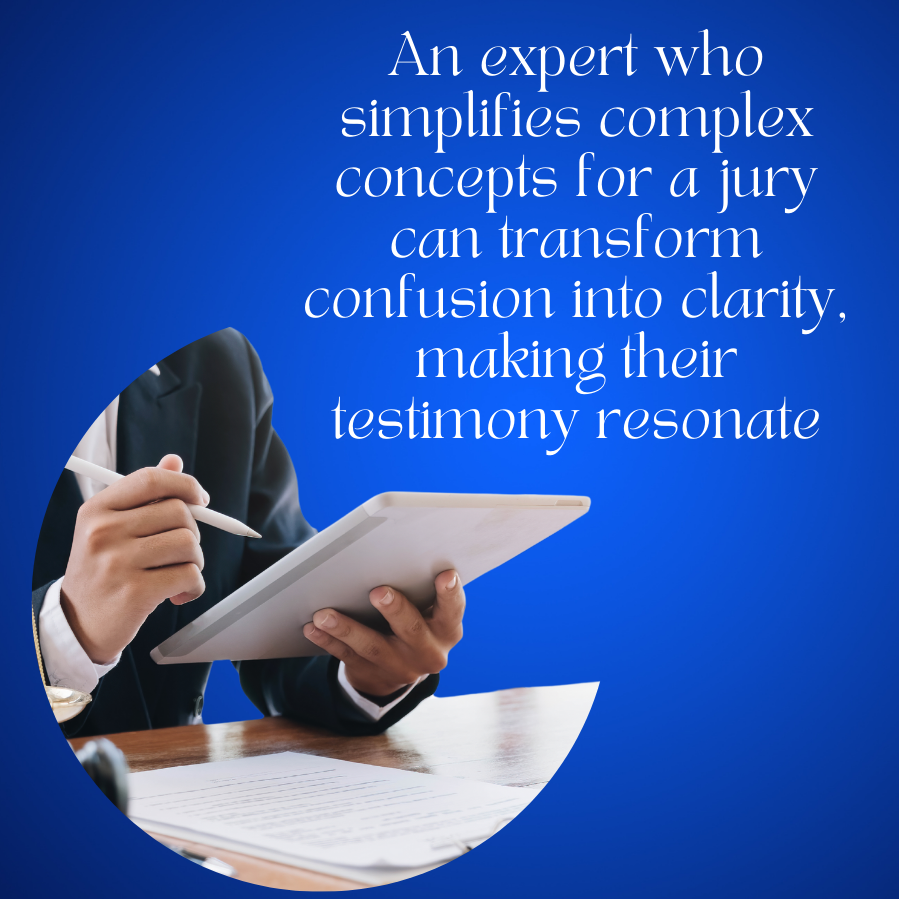
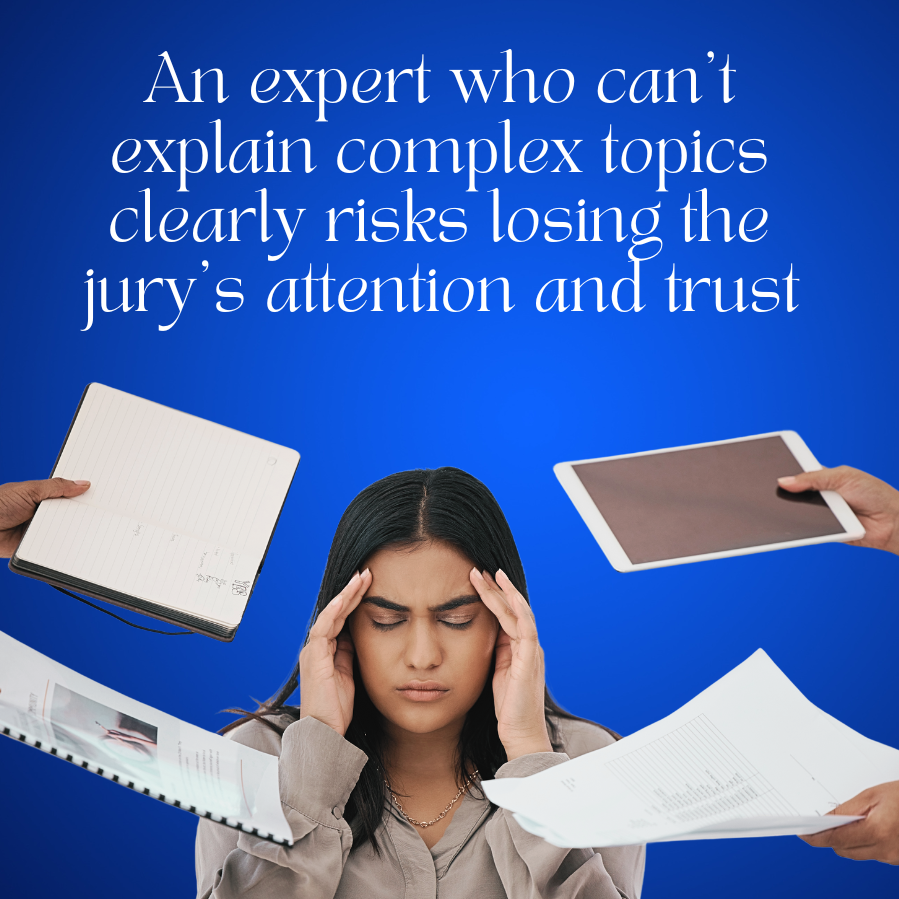
Mistake: Overlooking the expert’s ability to explain complex topics to a lay audience. Juries often consist of individuals without specialized knowledge in the subject at hand. Experts who fail to break down technical concepts into understandable language risk losing the jury’s attention or trust.
How to Avoid It:
Mistake: Not scrutinizing the expert’s methods for gathering and analyzing data. An expert’s methodology must meet admissibility standards, such as the Daubert or Frye standards, depending on jurisdiction. Failing to validate methodologies can result in exclusion.
How to Avoid It:
When an attorney rushes to hire an expert witness without proper vetting, it can undermine the entire case. In medical malpractice cases, the poorly chosen expert can often lack specific expertise in post-operative care, which is usually central to the legal claim. Such testimony can be deemed insufficient, leading to the dismissal of the case and a likely legal malpractice claim against the law firm.
Key Takeaway: Avoid shortcuts in the expert selection process. Comprehensive vetting protects your client’s interests and your firm’s reputation.
Using an expert witness network like ExpertConnect Litigation Support can save time and ensure quality. These services provide:
Avoiding the common mistakes outlined above can drastically improve your chances of litigation success. By thoroughly vetting credentials, prioritizing communication skills, and leveraging professional expert witness services, attorneys can ensure their cases are supported by credible, courtroom-ready experts.
Need help hiring expert witnesses? Visit ExpertConnect Litigation Support to access a network of pre-screened, experienced professionals tailored to meet your case’s specific needs.
Spencer serves as Vice President of Account Management, where he leads ExpertConnect Litigation Support’s Business Development activities. Spencer especially enjoys helping clients find highly specific and specialized experts in patent litigation matters. Prior to joining ExpertConnect, Spencer worked in international government relations focusing primarily on the defense and homeland security industries.